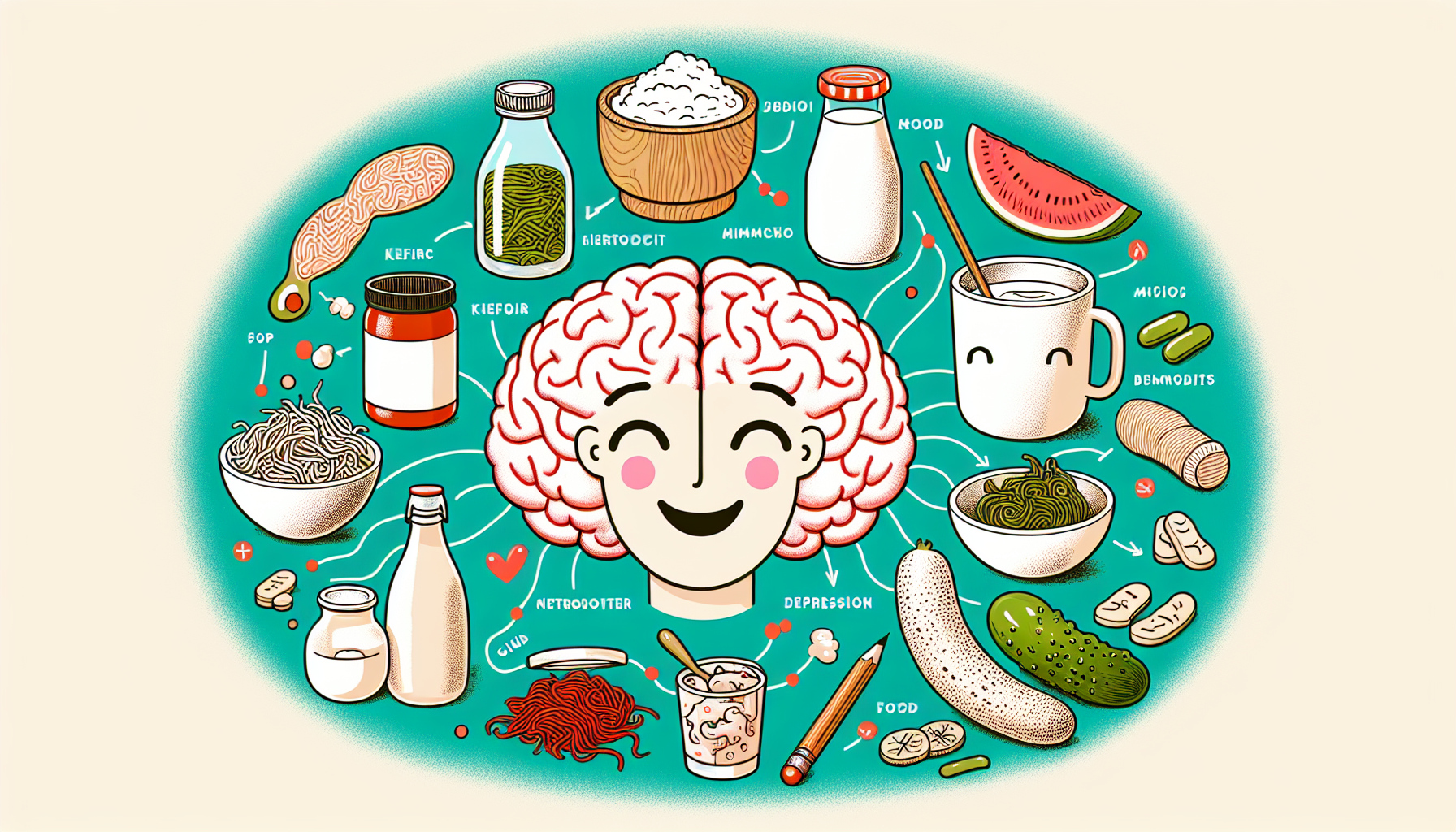
Fermented Foods for Mood: How Kefir, Kimchi, and Miso Support Mental Health Through the Gut-Brain Axis
Introduction
Mental health has become one of the defining health challenges of our time. According to the World Health Organization, over one billion people worldwide are now living with mental health conditions. In the United States alone, the depression rate has remained historically high, exceeding 18% since 2024, with anxiety disorders affecting approximately 19.1% of adults.
As these numbers continue to climb, more people are seeking natural, food-based approaches to support their emotional well-being. Enter fermented foods—ancient culinary traditions that are now capturing the attention of modern science.
Fermented foods like kefir, kimchi, and miso have been dietary staples across cultures for thousands of years. Korean families have passed down kimchi recipes for generations, while kefir originated in the Caucasus Mountains, and miso has been central to Japanese cuisine for centuries. These foods weren't just preserved for convenience—they were valued for their health-promoting properties long before we understood the science behind them.
Today, emerging research reveals that these traditional foods may influence our mental health through a fascinating communication network known as the gut-brain axis. Fermented foods contain beneficial microbes, microbial metabolites, and other bioactive compounds that can modulate this axis for positive mental health benefits. This article explores how incorporating fermented foods into your diet might help support your mood, reduce anxiety, and promote overall mental wellness.
The Science: Understanding the Gut-Brain Connection
Anatomy of the Gut-Brain Axis
Your gut and brain are in constant conversation, connected through an intricate communication superhighway called the gut-brain axis. This bidirectional network involves multiple pathways, with the vagus nerve serving as the primary information highway between your digestive system and your brain.
The vagus nerve is the longest cranial nerve in your body, stretching from your brainstem all the way down to your abdomen. It transmits signals in both directions—your brain can influence gut function, and remarkably, your gut can send messages that affect your mood, cognition, and emotional state.
Your digestive tract also houses its own nervous system, called the enteric nervous system, sometimes referred to as your "second brain." This network contains over 100 million neurons—more than your spinal cord—and can operate independently while also communicating with your central nervous system.
How Your Gut Influences Neurotransmitter Production
Here's where things get truly fascinating: your gut plays a major role in producing the very chemicals that regulate your mood. An estimated 90% of your body's serotonin—the neurotransmitter often called the "feel-good chemical"—is produced in your gastrointestinal tract. The enterochromaffin cells lining your gut are responsible for this production, and certain gut bacteria play a crucial role in this process.
Beyond serotonin, gut microbes also contribute to the production of other important neurotransmitters and their precursors, including dopamine and GABA (gamma-aminobutyric acid). These chemicals influence everything from motivation and pleasure to relaxation and stress response.
Microbiome Diversity and Mental Health
The trillions of microorganisms living in your gut—collectively known as your gut microbiome—have a profound impact on your mental health. Research has consistently linked an imbalanced gut microbiome (a condition called dysbiosis) to increased rates of anxiety and depression.
Certain bacterial genera appear particularly important for mental well-being. Lactobacillus and Bifidobacterium species have been extensively studied for their positive effects on mood and stress response. These beneficial bacteria can influence brain function through multiple mechanisms, including producing neurotransmitters, reducing inflammation, and strengthening the gut barrier.
Fermented Foods: What They Are and Why They Matter
Definition and Common Examples
Fermented foods are created through controlled microbial growth and enzymatic conversion of food components. During fermentation, bacteria, yeasts, or molds break down sugars and other compounds, transforming the original food into something with enhanced flavor, texture, and nutritional value.
Common fermented foods include:
- Kefir: A tangy, drinkable fermented milk product
- Kimchi: Korean fermented vegetables, typically cabbage with spices
- Miso: Japanese fermented soybean paste
- Sauerkraut: Fermented cabbage popular in German cuisine
- Yogurt: Fermented milk with live bacterial cultures
- Tempeh: Fermented soybeans formed into a firm cake
- Kombucha: Fermented tea beverage
The Fermentation Process and Nutrient Bioavailability
Fermentation does more than preserve food—it actually enhances its nutritional profile. During the fermentation process, enzymes break down antinutrients (compounds that can interfere with nutrient absorption), making vitamins and minerals more bioavailable to your body.
Fermented foods often contain increased levels of B vitamins, including B12, as well as vitamin K2. The fermentation process also produces beneficial amino acids and makes proteins easier to digest. This enhanced nutrient profile means your body can more readily absorb and utilize the good stuff in these foods.
The Role of Probiotics in Gut Health
Many fermented foods contain live microorganisms—probiotics—that can benefit your health when consumed in adequate amounts. These beneficial bacteria are measured in colony-forming units (CFUs), and different fermented foods contain varying amounts and strains.
Probiotics support gut health through several mechanisms. They compete with harmful bacteria for resources and space in your gut (competitive exclusion), help modulate your immune system, and contribute to maintaining a healthy gut barrier. When your gut barrier is strong, it prevents unwanted substances from entering your bloodstream and triggering inflammation.
Spotlight on Key Fermented Foods
Kefir: The Probiotic Powerhouse
Kefir stands out among fermented foods for its exceptional probiotic diversity. This creamy, tangy beverage is made by fermenting milk with kefir grains—a symbiotic culture of bacteria and yeasts. The result is a drink containing 10-15 different microbial strains, far more than typical yogurt.
Nutritional Profile:
Kefir is rich in protein, calcium, and B vitamins. It's also an excellent source of vitamin K2 and contains beneficial fatty acids. For those with lactose intolerance, kefir is often better tolerated than regular milk because the fermentation process breaks down much of the lactose.
Probiotic Content:
Kefir contains unique strains not found in other fermented foods, including Lactobacillus kefiri and various beneficial yeasts. This microbial diversity may contribute to its health benefits.
Research on Mental Health:
Studies have shown promising results for kefir's effects on mood. Research indicates that probiotic-fortified kefir can have positive impacts on depression, particularly in elderly populations. Animal studies have demonstrated that kefir peptides may exhibit antidepressant-like activity, suggesting potential for clinical applications. One guide suggests that consuming 6-8 ounces of kefir daily may lead to a 25% reduction in anxiety symptoms after six weeks.
Kimchi: Korea's Fermented Treasure
Kimchi is a traditional Korean side dish made from fermented vegetables—most commonly napa cabbage—seasoned with chili peppers, garlic, ginger, and other spices. This vibrant, flavorful food has been a staple of Korean cuisine for centuries.
Unique Bioactive Compounds:
What makes kimchi special is its combination of beneficial components. The fermentation process produces lactic acid bacteria, while the ingredients contribute capsaicin (from chili peppers), glucosinolates (from cabbage), and various antioxidants. These compounds work together to provide anti-inflammatory and antioxidant benefits.
Research on Depression and Anxiety:
Studies have found that probiotic food intake from fermented vegetables like kimchi is inversely associated with depressive symptoms in the general population—meaning those who eat more fermented vegetables tend to report fewer symptoms of depression. Research from William & Mary found that young adults who consume more fermented foods experience fewer social anxiety symptoms.
Miso: Ancient Wisdom in a Paste
Miso is a traditional Japanese seasoning produced by fermenting soybeans with salt and a fungus called Aspergillus oryzae (koji). The fermentation process can take anywhere from a few weeks to several years, resulting in different varieties with varying flavors and colors.
Amino Acid Content:
Miso is exceptionally rich in amino acids—containing more than any other soy product, with approximately 30% amino acid content. It's particularly notable for its glutamate content (responsible for umami flavor) and tryptophan, the amino acid precursor to serotonin. The high tryptophan content makes miso a potentially beneficial food for supporting mood and sleep.
Health Benefits:
Research on fermented soy products, including miso, suggests beneficial effects on neurodegenerative diseases and overall health. Miso fermentation improves the body's ability to digest and absorb nutrients, and the condiment contains probiotics that promote gut health.
How Fermented Foods Influence Neurotransmitter Balance
Production of Short-Chain Fatty Acids
When you consume fermented foods and fiber, your gut bacteria produce short-chain fatty acids (SCFAs)—primarily butyrate, propionate, and acetate. These metabolites are emerging as key players in the gut-brain connection.
SCFAs can cross the blood-brain barrier and influence brain function directly. Butyrate, in particular, has been associated with reduced inflammation in the brain, improved blood-brain barrier integrity, and potential antidepressant effects. Research suggests that circulating short-chain fatty acids are associated with depression outcomes, highlighting their importance in mental health.
Inflammation Reduction
Chronic, low-grade inflammation has been increasingly linked to depression and anxiety. Fermented foods may help combat this through several mechanisms.
The beneficial bacteria in fermented foods can help downregulate pro-inflammatory cytokines like IL-6 and TNF-α—chemical messengers that promote inflammation throughout the body. By reducing systemic inflammation, fermented foods may help protect the blood-brain barrier and reduce neuroinflammation, which has been implicated in mood disorders.
Direct Synthesis of Neurotransmitters
Perhaps most remarkably, certain gut bacteria can directly produce neurotransmitters or their precursors. Lactobacillus species, commonly found in fermented foods, can produce GABA—the primary inhibitory neurotransmitter that promotes calm and relaxation.
Research from the University of Virginia has uncovered how bacteria found in fermented foods can guard against depression and anxiety by influencing neurotransmitter production. The microbial conversion of tryptophan to serotonin precursors represents another pathway through which fermented foods may support mood.
What the Research Shows
A comprehensive 2024 review published in Neuroscience & Biobehavioral Reviews examined the potential of fermented foods to modulate the microbiota-gut-brain axis for mental health. The researchers concluded that fermented foods offer a combined whole-food, microbiota-modulating intervention that contains potentially beneficial microbes, microbial metabolites, and other bioactives.
Current data supports the inclusion of fermented, polyphenol-rich foods as a noninvasive strategy to enhance neuroprotection and mental health. While more research is needed, the existing evidence suggests that regular consumption of fermented foods may contribute to improved mood and reduced symptoms of anxiety and depression.
Practical Tips: Adding Fermented Foods to Your Diet
Choosing Quality Products
Not all fermented foods are created equal. To maximize the mental health benefits, look for products that contain live, active cultures. Here's what to consider:
Read Labels Carefully:
- Look for phrases like "live cultures," "contains probiotics," or "unpasteurized"
- Check for minimal additives and preservatives
- Be mindful of sodium content, especially in products like miso and kimchi
- Avoid products that have been heat-treated after fermentation, as this kills beneficial bacteria
Homemade vs. Store-Bought:
Making fermented foods at home gives you complete control over ingredients and fermentation time. However, quality artisanal and commercial brands can be excellent options. Look for products stored in the refrigerated section, as shelf-stable versions have typically been pasteurized.
Serving Suggestions and Easy Recipes
Incorporating fermented foods into your daily routine doesn't have to be complicated. Here are some simple ideas:
Kefir Smoothies:
Blend 1 cup of kefir with a handful of berries, a handful of spinach, and half a banana for a probiotic-rich breakfast or snack. The fruit masks any tanginess while adding fiber and antioxidants.
Kimchi Dishes:
- Add kimchi to fried rice for a quick, flavorful meal
- Make kimchi pancakes (kimchijeon) by mixing chopped kimchi into a simple flour-and-water batter
- Top grain bowls or salads with a spoonful of kimchi
- Stir into scrambled eggs for a savory breakfast
Miso Soup Variations:
- Classic: Dissolve 1 tablespoon of miso paste in hot (not boiling) water, add cubed tofu and wakame seaweed
- Add vegetables like mushrooms, green onions, or leafy greens
- Use miso as a base for salad dressings or marinades
- Stir into warm grain dishes for added umami flavor
Tips for Beginners
If you're new to fermented foods, here's how to get started successfully:
Start Small:
Begin with 1-2 tablespoons of fermented foods per day and gradually increase. This allows your digestive system to adjust to the new bacteria and reduces the likelihood of digestive discomfort.
Monitor Your Response:
Pay attention to how your body responds. Keep a simple journal noting:
- What fermented foods you ate and how much
- Any digestive changes (positive or negative)
- Mood and energy levels
- Sleep quality
Be Patient:
Changes in your gut microbiome take time. Most studies showing mental health benefits involve consistent consumption over several weeks to months.
Potential Side Effects:
Some people may experience temporary bloating or gas when first introducing fermented foods. This usually subsides as your gut adjusts. Those with histamine intolerance may need to be cautious, as fermented foods can be high in histamines.
Addressing Common Questions and Concerns
Safety and Contraindications
While fermented foods are generally safe for most people, certain individuals should exercise caution:
Immunocompromised Individuals:
Those with weakened immune systems should consult their healthcare provider before consuming raw fermented foods, as the live bacteria could potentially cause infections in vulnerable individuals.
Histamine Intolerance:
Fermented foods naturally contain histamines, which can trigger symptoms like headaches, flushing, or digestive upset in sensitive individuals. If you suspect histamine intolerance, start with very small amounts and monitor your response.
Recommended Intake for Mental Health Benefits
Research suggests varying amounts depending on the food:
- Kimchi: Studies have used doses ranging from 100-300 grams per day
- Kefir: Approximately 200 ml (about 6-8 ounces) daily has been used in research
- Miso: 1-2 tablespoons daily in soup or other dishes
Remember that consistency matters more than quantity. Regular, moderate consumption is likely more beneficial than occasional large amounts.
Managing Sensitivities and Allergies
Soy Allergies:
If you're allergic to soy, avoid miso and tempeh. Instead, focus on dairy-based ferments like kefir and yogurt, or vegetable-based options like sauerkraut and kimchi (check labels to ensure no soy sauce is added).
Dairy Sensitivities:
Water kefir and coconut milk kefir offer dairy-free alternatives. Many people with lactose intolerance can tolerate traditional milk kefir because the fermentation process breaks down lactose.
Gluten Concerns:
Most fermented foods are naturally gluten-free, but always check labels. Some miso varieties may contain barley, so look for miso made exclusively from rice and soybeans if you need to avoid gluten.
Conclusion
The connection between fermented foods and mental health represents one of the most exciting frontiers in nutritional science. Through their influence on the gut-brain axis, foods like kefir, kimchi, and miso offer a natural, food-based approach to supporting emotional well-being.
The benefits are multifaceted: fermented foods support neurotransmitter production, reduce inflammation, enhance microbiome diversity, and provide essential nutrients in highly bioavailable forms. While they're not a replacement for professional mental health treatment, they can be a valuable addition to a comprehensive approach to wellness.
Getting Started:
Consider trying one new fermented food this week. Whether it's adding a splash of kefir to your morning smoothie, enjoying kimchi with your lunch, or sipping a warm bowl of miso soup in the evening, small changes can add up to meaningful benefits over time.
Track Your Progress:
Keep a simple journal of what you eat and how you feel. Note your mood, energy levels, digestion, and sleep quality. Over several weeks, you may begin to notice positive changes.
Seek Support:
If you're dealing with significant mental health challenges, fermented foods can complement—but shouldn't replace—professional care. Consider working with a registered dietitian or nutritionist who can help you develop a personalized approach to supporting your mental health through diet.
The wisdom of traditional food cultures is being validated by modern science. By incorporating these time-tested fermented foods into your daily routine, you're not just nourishing your body—you're feeding the trillions of microbes that help keep your mind healthy and balanced.
Further Reading & Resources
For those interested in diving deeper into the science of fermented foods and mental health, here are some recommended resources:
Scientific Literature:
- "Fermented foods: Harnessing their potential to modulate the microbiota-gut-brain axis for mental health" (Neuroscience & Biobehavioral Reviews, 2024)
- PubMed database for clinical trials on specific fermented foods
Books:
- The Psychobiotic Revolution by Scott C. Anderson, John F. Cryan, and Ted Dinan
- Gut by Giulia Enders
Organizations:
- International Scientific Association for Probiotics and Prebiotics (ISAPP)
- Gut Microbiota for Health (World Gastroenterology Organisation initiative)
Leave a Reply