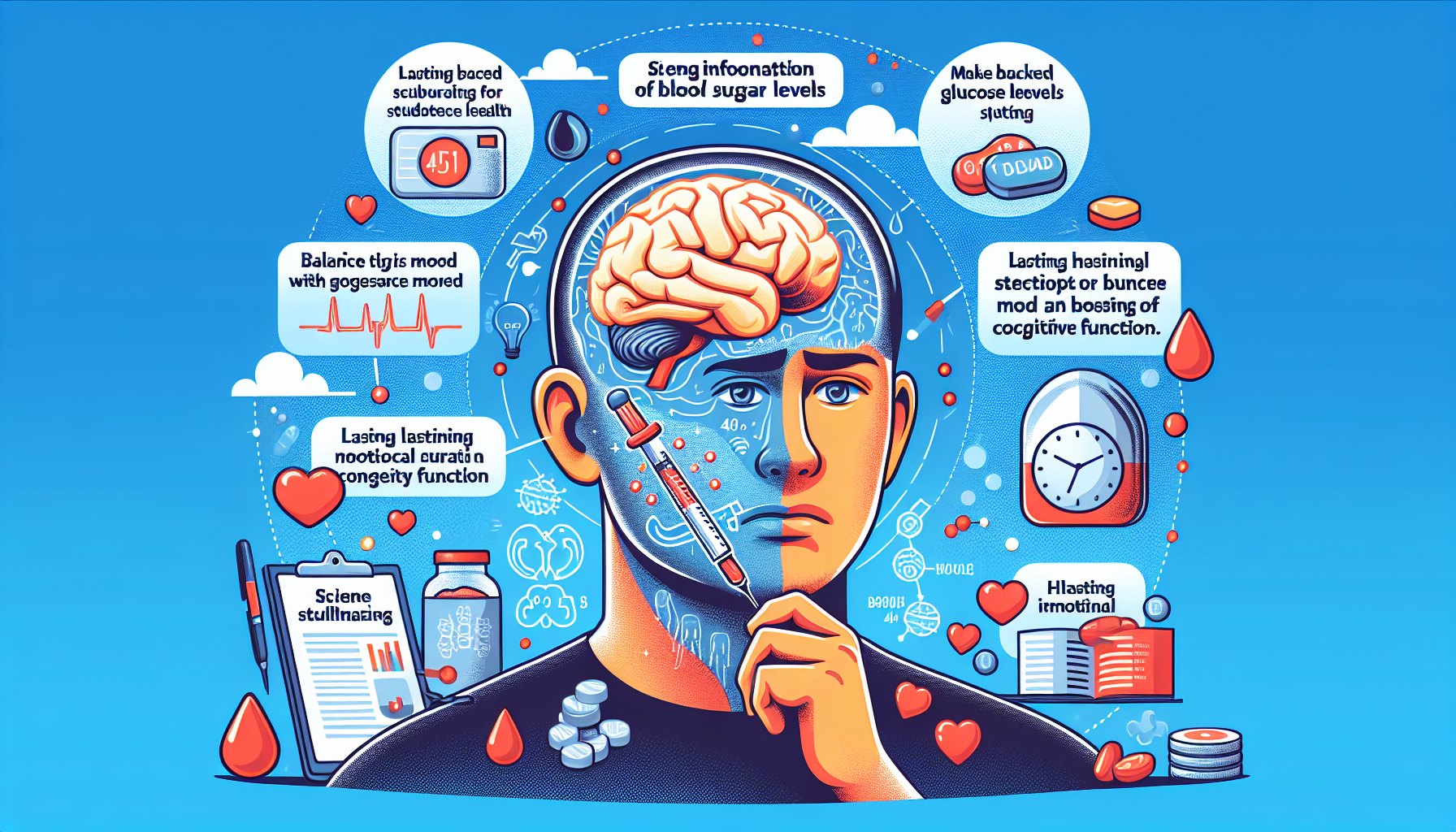
Blood Sugar and Mood Swings: The Hidden Connection That's Affecting Your Emotional Well-Being
Introduction
Have you ever snapped at a loved one for no apparent reason, only to realize you hadn't eaten in hours? Or perhaps you've experienced that familiar afternoon slump—the one where your energy tanks, your focus disappears, and everything feels just a little more overwhelming than it should?
You're not imagining things. The connection between what you eat and how you feel is far more powerful than most people realize.
Your brain is an energy-hungry organ, consuming roughly 20% of your body's glucose supply despite making up only about 2% of your body weight. When blood sugar levels fluctuate wildly throughout the day, your brain notices—and it lets you know through changes in mood, concentration, and emotional stability.
Insulin, the hormone responsible for shuttling glucose into your cells, also plays a crucial role in neurotransmitter synthesis. These chemical messengers—including serotonin, dopamine, and norepinephrine—directly influence your mood, motivation, and sense of well-being.
That "hangry" episode after skipping breakfast? It's your brain signaling a fuel shortage. The irritability that hits after demolishing a sugary snack? That's the crash following an unsustainable spike.
In this comprehensive guide, you'll discover the science behind blood sugar's impact on your emotions, learn to recognize the signs that your mood swings might be glucose-related, and walk away with practical, evidence-based strategies to stabilize both your blood sugar and your mood.
The Science: How Blood Sugar Affects the Brain and Emotions
Understanding the biological mechanisms at play can help you make sense of your experiences and motivate lasting change.
Blood Sugar Basics
Glucose serves as the primary energy source for your neurons. Unlike other cells in your body, brain cells can't store glucose efficiently, making them highly dependent on a steady supply from your bloodstream.
Insulin acts as the gatekeeper, regulating how much glucose enters your cells. When you eat, your pancreas releases insulin to help cells absorb the incoming glucose. Problems arise when this system becomes dysregulated—either through insulin resistance, poor dietary choices, or erratic eating patterns.
Two terms worth understanding are glycemic index (GI) and glycemic load (GL). The glycemic index measures how quickly a food raises blood sugar on a scale of 0-100, while glycemic load accounts for both the speed of glucose release and the amount of carbohydrates in a typical serving. A food can have a high GI but a low GL if you eat it in small quantities.
Physiological Mechanisms of Spikes and Crashes
When you consume high-GI foods—think white bread, sugary cereals, or candy—your blood sugar spikes rapidly. Your body responds by releasing a surge of insulin to bring levels back down. This process triggers the release of stress hormones like cortisol and adrenaline, which can leave you feeling anxious, jittery, or on edge.
What goes up must come down, often too quickly. Reactive hypoglycemia occurs when blood sugar drops below optimal levels after an initial spike. This crash reduces the availability of precursors needed to produce serotonin and dopamine—neurotransmitters essential for mood regulation and feelings of well-being.
These fluctuations also impact your HPA axis (hypothalamic-pituitary-adrenal axis), the body's central stress response system. Repeated blood sugar swings can lead to HPA axis dysregulation, making you more reactive to stress and less emotionally resilient over time.
Key Research Findings
The connection between blood sugar and mood isn't just anecdotal—it's backed by substantial scientific evidence.
Research published in the Journal of Clinical Nutrition (2020) found that glucose variability was significantly linked to increased irritability and negative mood states, independent of average blood sugar levels. In other words, it's not just high blood sugar that's problematic—it's the ups and downs that wreak havoc on your emotions.
A study in Diabetes Care (2018) demonstrated that individuals consuming high-GI diets showed higher rates of anxiety symptoms compared to those eating lower-GI foods. The researchers suggested that the repeated stress response triggered by blood sugar spikes may contribute to anxiety development over time.
Research published in Neuropsychopharmacology (2019) revealed that blood sugar dips significantly impair cognitive performance, affecting memory, attention, and decision-making abilities. Participants experiencing hypoglycemia showed measurable decreases in executive function and increased emotional reactivity.
Common Signs Your Mood Swings Are Blood Sugar Related
Not all mood swings stem from blood sugar issues, but certain patterns and symptoms can help you identify when glucose might be the culprit.
Physical and Emotional Symptoms
Sudden irritability or anger outbursts that seem disproportionate to the situation often signal dropping blood sugar. If you find yourself snapping at minor inconveniences, especially when it's been a while since you've eaten, your brain may be running low on fuel.
Anxiety, nervousness, and restlessness can accompany both blood sugar spikes and crashes. The release of stress hormones during these fluctuations mimics the physical sensations of anxiety, sometimes triggering or worsening anxious thoughts.
Brain fog, poor concentration, and mental fatigue are hallmark signs of inadequate glucose supply to the brain. If you struggle to focus, find yourself rereading the same paragraph multiple times, or feel mentally "fuzzy," blood sugar may be to blame.
Physical symptoms like shakiness, sweating, and headaches often accompany hypoglycemia. These are your body's warning signals that glucose levels have dropped too low.
Intense sugar or carb cravings represent your brain's desperate attempt to restore glucose levels quickly. Unfortunately, giving in to these cravings often perpetuates the spike-crash cycle.
Self-Assessment Techniques
Keep a 3-day food and mood diary. Record everything you eat and drink, along with the time. Every few hours, note your mood, energy level, and any symptoms you experience. Look for patterns—do crashes consistently follow certain meals or time gaps between eating?
Monitor pre- and post-meal blood glucose if feasible. Home glucose monitors are relatively inexpensive and can provide valuable data. Check your levels before eating and 1-2 hours after to see how different foods affect you personally.
Note time-of-day patterns in your mood changes. Many people experience predictable dips mid-morning or mid-afternoon. Identifying your vulnerable windows allows you to plan strategic snacks or meal timing adjustments.
Hidden Triggers: Everyday Habits That Destabilize Blood Sugar
Sometimes the culprit isn't obvious. These common habits may be sabotaging your blood sugar stability without you realizing it.
Skipping Meals or Irregular Eating
When you skip meals, your blood sugar drops, triggering the release of stress hormones to mobilize stored glucose. This survival mechanism served our ancestors well during times of scarcity, but in modern life, it simply leaves you feeling irritable, anxious, and desperate for quick energy.
Irregular eating patterns—having breakfast at 7 AM one day and 11 AM the next—prevent your body from establishing a predictable rhythm. Your hormonal systems work best with consistency.
High-Sugar and Refined-Carb Diets
Processed foods, sugary beverages, white bread, pastries, and many breakfast cereals cause rapid blood sugar spikes followed by equally rapid crashes. Even foods marketed as "healthy"—like flavored yogurts, granola bars, and fruit juices—often contain surprising amounts of added sugar.
Excessive Caffeine or Alcohol Consumption
Caffeine stimulates the release of adrenaline and can interfere with insulin sensitivity, potentially amplifying blood sugar swings. While moderate coffee consumption is fine for most people, excessive intake—especially on an empty stomach—can destabilize glucose levels.
Alcohol presents a double challenge. Initially, it can cause blood sugar to spike (especially sugary cocktails or beer), but later it inhibits glucose production in the liver, potentially causing dangerous drops—particularly overnight or the morning after drinking.
Poor Sleep Quality and Chronic Stress
Research published in Sleep Medicine Reviews (2017) demonstrated that even partial sleep deprivation significantly reduces insulin sensitivity, meaning your body needs more insulin to achieve the same glucose-lowering effect. Just one night of poor sleep can impair glucose metabolism the following day.
Chronic stress keeps cortisol levels elevated, which directly raises blood sugar and promotes insulin resistance. Stress also tends to drive poor food choices, creating a vicious cycle of emotional eating and glycemic instability.
Stabilizing Strategies: How to Balance Blood Sugar for a Better Mood
The good news? You have significant control over your blood sugar through dietary and lifestyle choices. Here's how to create lasting stability.
Nutrition Fundamentals
Build each meal with protein, fiber, and healthy fats. This combination slows glucose absorption, preventing the rapid spikes that lead to crashes. Protein and fat also promote satiety, reducing the likelihood of overeating or reaching for sugary snacks.
Favor low-GI carbohydrates like legumes, whole grains, and non-starchy vegetables. These foods release glucose gradually, providing steady energy without the rollercoaster effect.
Practical meal examples:
- Breakfast: Greek yogurt with berries, a sprinkle of nuts, and a drizzle of honey
- Lunch: Chickpea salad with avocado, mixed greens, olive oil dressing, and whole grain bread
- Dinner: Grilled salmon with quinoa and roasted vegetables
Meal Timing and Frequency
Eat every 3-4 hours to prevent significant dips in blood sugar. For most people, this means three balanced meals plus one or two snacks.
Choose balanced snacks that combine protein or healthy fat with complex carbohydrates:
- Apple slices with almond butter
- Hummus with vegetable sticks
- A small handful of nuts with a piece of fruit
- Cheese with whole grain crackers
- Hard-boiled eggs
Lifestyle Habits
Regular moderate exercise improves insulin sensitivity and helps stabilize blood sugar. Aim for 30 minutes of activity most days—brisk walking, cycling, swimming, or whatever you enjoy. Exercise doesn't need to be intense to be effective.
Stay well-hydrated with 2-3 liters of water daily. Dehydration can concentrate blood sugar and impair glucose transport. Drinking a glass of water before meals may also help moderate food intake.
Prioritize sleep hygiene by maintaining a consistent bedtime and wake time, keeping your bedroom dark and quiet, and avoiding screens for an hour before bed. Quality sleep is non-negotiable for blood sugar regulation.
Manage stress proactively through techniques like deep breathing, progressive muscle relaxation, meditation, or yoga. Even five minutes of intentional relaxation can lower cortisol levels and support glycemic stability.
Mindful Eating and Tracking
Chew slowly and eliminate distractions during meals. Eating mindfully helps you recognize hunger and fullness cues, preventing overeating and promoting better digestion.
Rate your hunger and fullness on a 1-10 scale before and after eating. Aim to start meals at a 3-4 (moderately hungry) and finish at a 6-7 (satisfied but not stuffed).
Correlate food intake with mood entries in a journal. Over time, you'll identify which foods and eating patterns support your best mood and which ones trigger problems.
Real-Life Success Stories and Expert Insights
Case Study: Jane's Turnaround
Jane, a 34-year-old marketing manager, came to her dietitian frustrated by daily energy crashes around 3 PM. She described feeling irritable, unfocused, and desperate for sugar every afternoon. Her mood swings were affecting her work performance and relationships.
Pre-intervention: Jane typically skipped breakfast or grabbed a pastry with her coffee. Lunch was often a sandwich with chips, eaten at her desk while working. By mid-afternoon, she was reaching for candy from the office vending machine.
Intervention: Jane's dietitian helped her restructure her eating patterns. She started having protein-rich breakfasts (eggs with vegetables or Greek yogurt with nuts), added fiber and healthy fats to her lunches, and introduced a mid-afternoon snack of apple slices with almond butter.
Outcome: Within three weeks, Jane reported stabilized energy throughout the day and a 60% reduction in irritability episodes. Her afternoon cravings diminished significantly, and she found herself more patient and focused at work.
Expert Perspectives
Registered Dietitian insight: "Balanced macronutrients at every meal are key to supporting neurotransmitter production. When we skip protein or rely too heavily on refined carbs, we're essentially starving our brain of the building blocks it needs for mood regulation."
Clinical Psychologist perspective: "I've seen countless patients whose anxiety and irritability improved dramatically once they addressed blood sugar instability. Consistent glucose levels reduce HPA axis overactivation, which means less chronic stress on the body and mind."
When to Seek Help: Blood Sugar, Mood, and Medical Conditions
While dietary and lifestyle changes help most people, certain signs warrant professional evaluation.
Warning Signs of Underlying Pathology
Consult a healthcare provider if you experience:
- Frequent fasting glucose readings above 100 mg/dL or post-meal spikes exceeding 140 mg/dL
- Recurrent hypoglycemic symptoms despite making dietary adjustments
- Debilitating anxiety, depression, or cognitive decline that significantly impacts daily functioning
- Unexplained weight changes, excessive thirst, or frequent urination
- Symptoms that worsen over time rather than improve with lifestyle modifications
Professional Consultations
Primary care physician: Your first stop for glucose testing, basic metabolic panels, and initial diagnosis. They can rule out or identify conditions like prediabetes, diabetes, or reactive hypoglycemia.
Endocrinologist: A specialist in hormonal disorders who can provide advanced testing and management for diabetes, hypoglycemia, or other metabolic conditions.
Registered dietitian: Offers personalized meal planning based on your specific needs, preferences, and any medical conditions. They can help you navigate complex dietary requirements.
Mental health professional: If mood symptoms persist despite blood sugar stabilization, a psychologist or psychiatrist can assess for mood disorders that may require additional treatment.
Action Plan: Simple Steps to Start Today
Ready to take control of your blood sugar and mood? Here's your quick-start checklist:
Daily Habits to Implement
☐ Schedule three balanced meals plus two protein-rich snacks daily. Set reminders on your phone if needed.
☐ Swap high-GI carbs for low-GI alternatives. Choose whole grains over refined, sweet potatoes over white, and whole fruit over juice.
☐ Drink a glass of water before each meal. This supports hydration and may help moderate portion sizes.
☐ Establish a consistent sleep/wake routine. Aim for the same bedtime and wake time every day, even on weekends.
☐ Practice 5 minutes of deep breathing twice daily. Try once in the morning and once before bed to lower baseline stress levels.
Tracking Your Progress
Consider creating a simple weekly tracker that includes:
- Meals and snacks consumed (with approximate times)
- Mood ratings at key points throughout the day
- Energy levels on a 1-10 scale
- Any symptoms experienced
- Sleep quality and duration
After two weeks, review your data for patterns. What meals leave you feeling best? When do crashes typically occur? Use these insights to refine your approach.
Conclusion
The connection between blood sugar and mood is powerful, but it's also highly modifiable. Small, consistent changes to your eating patterns and lifestyle habits can yield significant improvements in emotional stability, mental clarity, and overall well-being.
You don't need to overhaul your entire life overnight. Start with one or two changes from the action plan above. Track your progress, notice what works for you, and adjust as needed. Everyone's body responds slightly differently, so personalization is key.
Remember that stabilizing blood sugar is a skill that improves with practice. There will be days when you slip up or circumstances make ideal eating impossible. That's okay. What matters is the overall pattern, not perfection.
Share your experiences with others who might benefit from this information. The more we understand about the food-mood connection, the better equipped we all are to support our mental and physical health.
Frequently Asked Questions
Can blood sugar cause mood swings?
Yes, blood sugar fluctuations can directly cause mood swings. When glucose levels spike and crash, your body releases stress hormones like cortisol and adrenaline, which can trigger irritability, anxiety, and emotional volatility. Additionally, unstable blood sugar affects neurotransmitter production, impacting serotonin and dopamine levels that regulate mood.
What foods help stabilize blood sugar and mood?
Foods that combine protein, fiber, and healthy fats are most effective for blood sugar stability. Good choices include legumes, nuts, seeds, whole grains, non-starchy vegetables, lean proteins, eggs, Greek yogurt, avocados, and olive oil. Low-glycemic index carbohydrates release glucose slowly, preventing the spikes and crashes that destabilize mood.
How quickly can diet changes improve mood swings?
Many people notice improvements within 1-3 weeks of consistent dietary changes. However, the timeline varies based on individual factors like the severity of blood sugar dysregulation, overall diet quality, sleep, stress levels, and underlying health conditions. Some people experience benefits within days, while others may need several weeks to see significant changes.
Are mood swings a sign of diabetes?
Mood swings can be associated with diabetes or prediabetes, but they're not a definitive sign. Many factors cause mood fluctuations. However, if you experience frequent mood swings along with other symptoms like excessive thirst, frequent urination, unexplained weight changes, or slow-healing wounds, it's worth getting your blood sugar tested by a healthcare provider.
Take the Next Step
Ready to dive deeper into nutrition strategies for better mental and physical health? Subscribe to our newsletter for weekly tips on balanced eating, stress management, and sustainable wellness practices.
Continue reading:
- "Best Snacks for Stable Energy Throughout the Day"
- "How to Beat Afternoon Slumps Without Caffeine or Sugar"
Leave a Reply