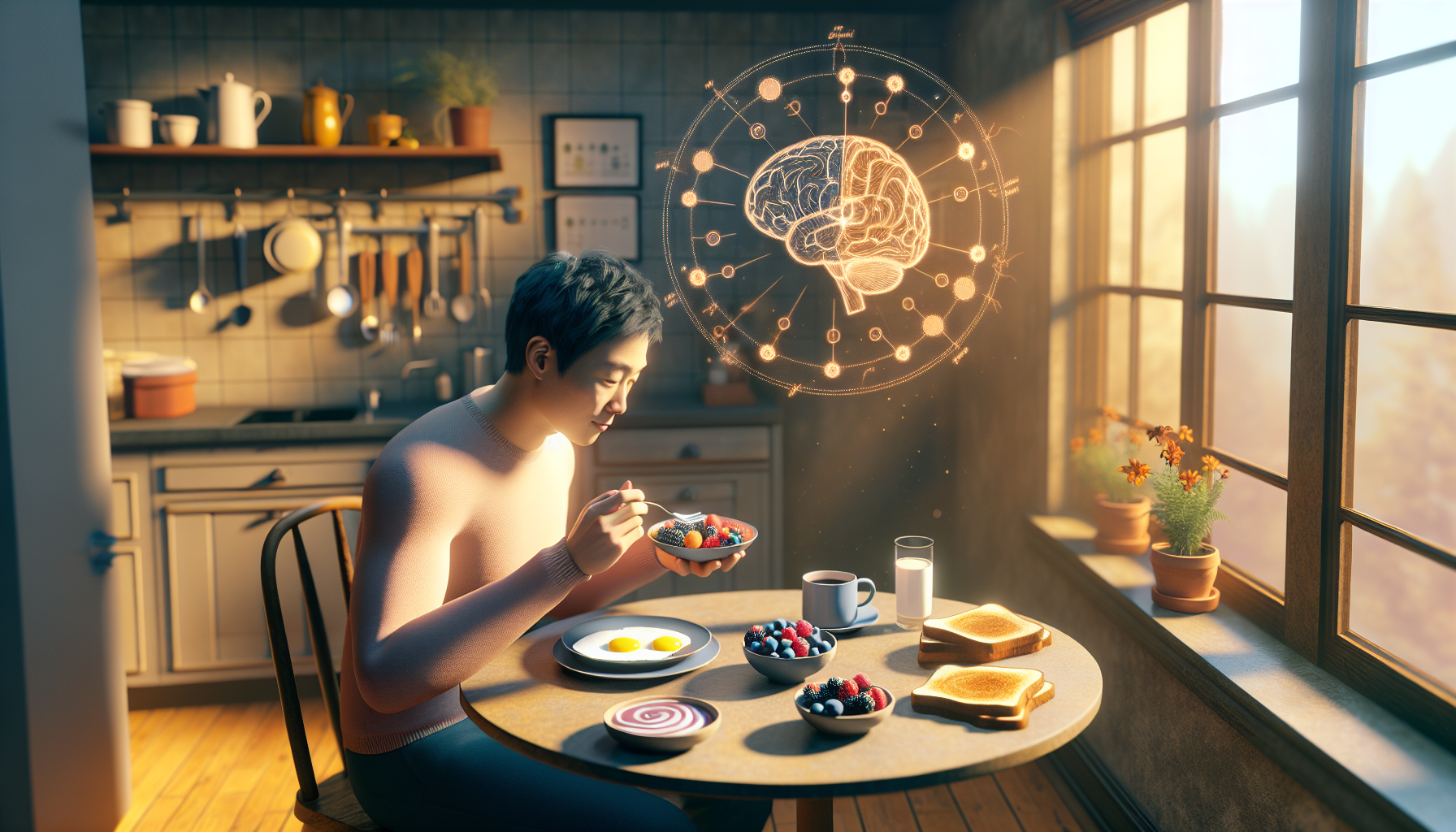
Meal Timing and Mood: How When You Eat Affects Serotonin and Dopamine
Introduction
You've probably heard the saying "you are what you eat." But here's something equally important that doesn't get nearly as much attention: when you eat matters just as much as what's on your plate.
The emerging field of chrononutrition—the study of how meal timing interacts with our biological clocks—is revealing fascinating connections between our eating patterns and mental health. Scientists are discovering that the timing of your meals can significantly influence the production of key brain chemicals that regulate your mood, motivation, and overall emotional well-being.
The Food-Brain Chemistry Connection
Every bite you take provides more than just calories. Nutrients from food serve as the raw building blocks for neurotransmitters like serotonin and dopamine—the chemical messengers that shape how you feel, think, and respond to the world around you. These powerful molecules influence everything from your morning motivation to your ability to handle stress, maintain focus, and sleep soundly at night.
In this comprehensive guide, you'll discover:
- The science behind how meal timing affects neurotransmitter synthesis
- Practical timing strategies tailored to different lifestyles and schedules
- Evidence-based tips to optimize your eating patterns for better mood
- Answers to the most common questions about food timing and mental health
Let's dive into the fascinating relationship between your meal schedule and your brain chemistry.
Understanding Neurotransmitters: Serotonin and Dopamine
Before we explore timing strategies, it's essential to understand the key players in your brain's mood regulation system.
Neurotransmitter Basics
Neurotransmitters are chemical messengers that transmit signals between nerve cells (neurons) across tiny gaps called synapses. They're responsible for virtually every function in your body, from muscle movement to emotional responses.
What makes nutrition so relevant here is that your body can't manufacture these chemicals from nothing. It needs specific dietary precursors—amino acids like tryptophan and tyrosine—that come directly from the foods you eat.
Serotonin: Your Mood Stabilizer
Serotonin often gets called the "feel-good" neurotransmitter, but its role extends far beyond simple happiness. This versatile chemical regulates:
- Mood and emotional balance
- Sleep-wake cycles
- Appetite and digestion
- Gut function (about 95% of serotonin is actually produced in your gut)
The pathway to serotonin production starts with tryptophan, an essential amino acid found in protein-rich foods. Here's where timing becomes crucial: tryptophan competes with other amino acids to cross the blood-brain barrier. When you eat carbohydrates, the resulting insulin spike helps clear competing amino acids from your bloodstream, giving tryptophan a clear path to your brain.
Research indicates that serotonin synthesis peaks during morning hours, making breakfast timing particularly important for mood regulation.
Dopamine: Your Motivation Molecule
If serotonin is about contentment, dopamine is about drive. This neurotransmitter powers your:
- Reward and pleasure responses
- Motivation and goal-directed behavior
- Attention and focus
- Motor control and movement
Dopamine production follows a cascade that begins with tyrosine, another amino acid abundant in protein foods. The conversion process—tyrosine to L-DOPA to dopamine—requires several co-factors, including vitamins B6, B12, and folate.
Unlike serotonin, dopamine is highly sensitive to both meal composition and timing, making strategic eating especially impactful for maintaining focus and motivation throughout the day.
The Gut-Brain Axis
One of the most exciting developments in nutritional neuroscience is our growing understanding of the gut-brain axis. Your gut microbiome—the trillions of bacteria living in your digestive tract—plays a surprisingly active role in neurotransmitter production.
These microorganisms don't just influence digestion; they actually produce neurotransmitters and their precursors, communicate with your brain via the vagus nerve, and respond to meal timing by releasing gut hormones like GLP-1 and ghrelin.
When you eat affects these gut hormone patterns, creating a ripple effect that influences your brain chemistry hours later.
The Science of Meal Timing
Your body doesn't operate on a simple on-off switch. Instead, it runs on an intricate system of biological clocks that influence everything from hormone release to cognitive performance.
Circadian Rhythms and Metabolism
At the center of your biological timing system sits the suprachiasmatic nucleus (SCN), a tiny region in your brain that acts as your master clock. This neural timekeeper synchronizes with light exposure and coordinates "peripheral clocks" throughout your body—including those in your liver, pancreas, and gut.
Two hormones play starring roles in this daily rhythm:
- Cortisol: Peaks in the morning to promote alertness and gradually declines throughout the day
- Melatonin: Rises in the evening to prepare your body for sleep
These hormonal patterns directly affect your digestion, nutrient absorption, and—crucially—neurotransmitter synthesis.
How Timing Affects Serotonin Synthesis
Morning carbohydrates can be particularly effective for boosting serotonin production. When you eat carbs earlier in the day, the insulin response helps transport tryptophan across the blood-brain barrier more efficiently, supporting serotonin synthesis when your body is primed for it.
Conversely, protein-rich evening meals can help modulate nighttime mood and support sleep quality by providing a steady supply of tryptophan as your body prepares for rest.
How Timing Affects Dopamine Function
For dopamine, the morning hours are equally important but for different reasons. A protein-rich breakfast ensures adequate tyrosine availability during the hours when you need focus and motivation most.
Research suggests that late-day eating can blunt evening dopamine peaks, potentially affecting reward processing and contributing to mood disturbances. This may explain why late-night eating often feels emotionally unsatisfying despite providing calories.
Key Research Highlights
Several landmark studies have illuminated the meal timing-mood connection:
Jakubowicz et al. (2017) found that participants who consumed a high-calorie breakfast showed improved mood scores and better glycemic control compared to those who ate their largest meal at dinner. The breakfast group reported feeling more energetic and emotionally stable throughout the day.
Wurtman & Wurtman's classic research (1986) demonstrated that carbohydrate-rich meals significantly raise plasma tryptophan levels and subsequent serotonin production in the brain—a finding that helped establish the scientific basis for "comfort food" cravings.
Scheer et al. (2009) showed that circadian misalignment—eating and sleeping out of sync with your natural rhythms—worsens both mood and metabolic markers, suggesting that when we eat may be as important as what we eat for mental health.
How Skipping or Delaying Meals Impacts Mood
Understanding what happens when meal timing goes wrong can be just as instructive as knowing what to do right.
Effects of Fasting and Meal Skipping
Intermittent fasting has gained enormous popularity, but its effects on mood are more nuanced than many advocates suggest. During fasting periods, your body experiences acute cortisol spikes—part of the stress response that mobilizes energy stores. For some people, this can trigger or worsen anxiety symptoms.
Skipping breakfast specifically has been linked to reduced morning serotonin availability and impaired cognitive performance. Studies show that breakfast skippers often report lower mood scores and greater difficulty concentrating during morning hours.
Late-Night Eating
Eating close to bedtime creates a cascade of problems for mood regulation:
- Disrupted melatonin onset: Food intake signals "daytime" to your body, delaying the natural rise of sleep hormones
- Poorer sleep quality: Digestion during sleep reduces restorative deep sleep phases
- Next-day irritability: Poor sleep directly impairs emotional regulation
- Elevated nocturnal insulin: This can disrupt the delicate neurochemical balance needed for overnight brain restoration
Blood Sugar Fluctuations
Perhaps the most immediate way meal timing affects mood is through blood sugar regulation.
When blood sugar drops too low (hypoglycemia), your body responds with adrenaline and cortisol release—the same hormones triggered during a threat response. This explains the irritability, anxiety, and shakiness many people experience when they've gone too long without eating.
On the flip side, consuming high-glycemic foods leads to rapid blood sugar spikes followed by crashes. This "reactive hyperglycemia" often manifests as fatigue, brain fog, and mood swings in the hours following a meal.
Expert Perspectives
Nutritional psychiatrists increasingly emphasize the importance of consistent meal rhythms for mental health. Dr. Uma Naidoo, a Harvard psychiatrist and author, notes that "eating at regular intervals helps maintain stable blood sugar and supports the steady production of mood-regulating neurotransmitters."
Consider the case of shift workers, who often struggle with mood disturbances due to irregular eating patterns. Research shows that implementing structured meal times—even when work schedules are unconventional—can significantly improve mood stability and reduce symptoms of depression and anxiety.
Optimizing Meal Timing for Better Mood
Now for the practical application: how can you structure your eating to support optimal neurotransmitter function?
Ideal Eating Windows
Based on circadian research and neurotransmitter science, here are evidence-based timing recommendations:
Breakfast: Within 60 minutes of waking
This window capitalizes on your body's natural cortisol awakening response and supports morning serotonin synthesis. Even a small breakfast is better than none for mood regulation.
Mid-morning snack: 2-3 hours after breakfast
A combination of protein and low-glycemic carbohydrates helps sustain dopamine levels and prevents the mid-morning energy crash.
Lunch: 12-2 PM
This timing aligns with the circadian peak of digestive enzyme activity, optimizing nutrient absorption and energy availability for the afternoon.
Afternoon snack: 4-5 PM
A strategic snack during this window prevents the late-afternoon energy dip that often leads to poor food choices at dinner.
Dinner: At least 2-3 hours before bedtime
This gap allows for adequate digestion and supports optimal sleep hormone release, setting the stage for restorative rest and next-day mood stability.
Macronutrient Strategy
Proteins
Include protein at every meal to ensure steady supplies of both tyrosine (for dopamine) and tryptophan (for serotonin). Good sources include eggs, poultry, fish, legumes, nuts, and dairy products.
Carbohydrates
Timing and quality matter here. Complex, low-glycemic carbohydrates (whole grains, vegetables, legumes) provide sustained energy without dramatic blood sugar swings. Strategic carbohydrate intake at breakfast can enhance tryptophan transport to the brain.
Healthy Fats
Don't neglect fats—they support nutrient absorption (many vitamins are fat-soluble) and maintain healthy cell membranes in the brain. Omega-3 fatty acids from fish, walnuts, and flaxseed are particularly beneficial for brain health.
Micronutrient Support
Several vitamins and minerals serve as essential co-factors in neurotransmitter synthesis:
- Vitamin B6: Critical for converting amino acids into neurotransmitters; found in poultry, fish, potatoes, and bananas
- Vitamin B12: Supports nervous system function; found in animal products and fortified foods
- Folate: Works alongside B vitamins in neurotransmitter production; abundant in leafy greens and legumes
- Magnesium: Supports neuronal stability and stress resilience; found in nuts, seeds, and dark chocolate
- Zinc: Essential for neurotransmitter release; found in oysters, beef, pumpkin seeds, and chickpeas
Sample Schedules
For Early Risers (5-6 AM wake time)
- 6:30 AM: Protein-rich breakfast with complex carbs (eggs, whole grain toast, berries)
- 10:00 AM: Greek yogurt with nuts
- 1:00 PM: Balanced lunch with protein, vegetables, and whole grains
- 4:00 PM: Apple with almond butter
- 7:00 PM: Dinner with lean protein, vegetables, and healthy fats
For Night Owls (8-9 AM wake time)
- 10:00 AM: Substantial breakfast within an hour of waking
- 2:00 PM: Lunch at circadian digestive peak
- 6:00 PM: Earlier dinner to allow adequate pre-sleep digestion
- 9:00 PM: Light snack if needed (small portion of protein-rich food)
For Shift Workers
- Align your eating window with your "day" regardless of actual clock time
- Consume a protein-heavy meal before your shift begins
- Avoid heavy meals during your biological night (even if you're awake and working)
- Maintain consistent meal times on days off to support circadian stability
Practical Tips for Everyday Life
Knowing the science is one thing; implementing it in a busy life is another. Here are strategies to make mood-supportive meal timing realistic and sustainable.
Meal Planning and Prep
Batch cooking is your friend when it comes to consistent meal timing. Spend a few hours on the weekend preparing mood-supporting staples:
- Pre-cooked proteins (grilled chicken, hard-boiled eggs, baked tofu)
- Washed and chopped vegetables
- Cooked whole grains (quinoa, brown rice, oats)
- Homemade trail mix with nuts and seeds
Portable snacks ensure you're never caught without a mood-stabilizing option:
- Individual portions of nuts and dried fruit
- Cheese sticks with whole grain crackers
- Hummus cups with vegetable sticks
- Protein bars with minimal added sugar
Adapting to Travel and Social Events
Crossing time zones can wreak havoc on your circadian rhythms and meal timing. To minimize disruption:
- Shift your meal times by 1-2 hours per day in the direction of your destination, starting a few days before travel
- Expose yourself to light at appropriate times to help reset your internal clock
- Stay hydrated and avoid alcohol, which further disrupts circadian rhythms
At social gatherings, you don't need to be rigid, but you can make strategic choices:
- Prioritize protein and vegetables at buffets
- Eat a small, balanced snack before events to prevent arriving ravenous
- If dinner will be late, have a substantial afternoon snack to maintain blood sugar stability
Mindful Eating Practices
How you eat matters alongside when you eat:
- Chew thoroughly: This aids digestion and gives your brain time to register satiety signals
- Eat without screens: Distracted eating often leads to overconsumption and reduced meal satisfaction
- Recognize satiety cues: Pause mid-meal to assess hunger levels
- Ritualize meals: Creating consistent meal rituals reinforces circadian alignment and adds a psychological dimension to nourishment
Tracking Tools and Apps
Technology can support your meal timing goals:
Nutrition tracking apps:
- MyFitnessPal: Comprehensive food logging with timing features
- Carb Manager: Helpful for monitoring macronutrient balance
- Cronometer: Detailed micronutrient tracking
Circadian and sleep apps:
- Rise Science: Specifically designed for circadian rhythm optimization
- Sleep Cycle: Tracks sleep patterns that influence next-day eating
Wearables like Fitbit, Apple Watch, or Oura Ring can provide data on sleep quality and activity levels, helping you refine meal timing based on your individual patterns.
Frequently Asked Questions
Does intermittent fasting help or hurt mood?
The answer depends significantly on the individual. Short-term fasting triggers cortisol release, which can worsen anxiety in sensitive people. However, some research suggests long-term fasting practices may offer neuroplastic benefits and improved mood for certain individuals.
Key factors include your baseline stress levels, history of disordered eating, and how your body specifically responds to fasting. If you're interested in intermittent fasting, start gradually and pay close attention to mood changes. Those with anxiety disorders or a history of eating disorders should consult healthcare providers before attempting any fasting protocol.
Can meal timing alleviate anxiety or depression?
Research indicates that structured eating patterns can reduce symptom severity in people with anxiety and depression. Regular meal timing helps stabilize blood sugar, supports consistent neurotransmitter production, and reinforces healthy circadian rhythms—all factors that influence mental health.
However, meal timing should be viewed as an adjunct strategy, not a replacement for professional treatment. If you're experiencing significant anxiety or depression, work with mental health professionals who can incorporate nutritional strategies into a comprehensive treatment plan.
How quickly do mood changes appear after adjusting meal timing?
Individual responses vary considerably. Some people report noticeable shifts in energy and mood within just a few days of implementing consistent meal timing. However, full adaptation of your circadian systems typically takes 2-4 weeks.
Be patient and consistent. Keep a simple mood journal alongside your meal timing to track patterns and identify what works best for your body.
Are nighttime snacks always harmful?
Not necessarily. While large, heavy meals close to bedtime are problematic, small, protein-rich snacks may actually support overnight neurotransmitter synthesis without significantly disrupting sleep.
If you find yourself hungry before bed, opt for easily digestible protein sources like a small portion of cottage cheese, a few slices of turkey, or a handful of nuts. Avoid high-sugar snacks that could spike blood sugar and interfere with sleep quality.
Conclusion
The relationship between meal timing and mood represents one of the most actionable insights from modern nutritional neuroscience. By aligning your eating patterns with your body's natural rhythms, you can support optimal serotonin and dopamine function—the neurochemical foundation of emotional well-being.
The key principles are straightforward:
- Eat breakfast within an hour of waking to support morning neurotransmitter synthesis
- Include protein at every meal to ensure steady amino acid availability
- Time your largest meals earlier in the day when digestive capacity peaks
- Finish eating 2-3 hours before bed to protect sleep quality
- Maintain consistent meal times to reinforce circadian alignment
Remember that these are guidelines, not rigid rules. Your optimal eating pattern will depend on your work schedule, lifestyle, and individual biology. The best approach is to experiment within these evidence-based windows and pay attention to how your body and mood respond.
Consider tracking your meals alongside your mood for a few weeks. Note energy levels, emotional states, sleep quality, and focus throughout the day. Patterns will emerge that help you fine-tune your personal timing strategy.
If you're dealing with significant mood challenges, share your observations with healthcare providers who can help integrate meal timing into a broader wellness plan. The intersection of nutrition and mental health is a rapidly evolving field, and working with professionals ensures you're getting personalized guidance based on the latest research.
Your brain chemistry isn't fixed—it responds dynamically to the choices you make every day, including when you choose to eat. That's empowering news, because it means small, consistent changes to your meal timing can yield meaningful improvements in how you feel, think, and engage with life.
Leave a Reply