
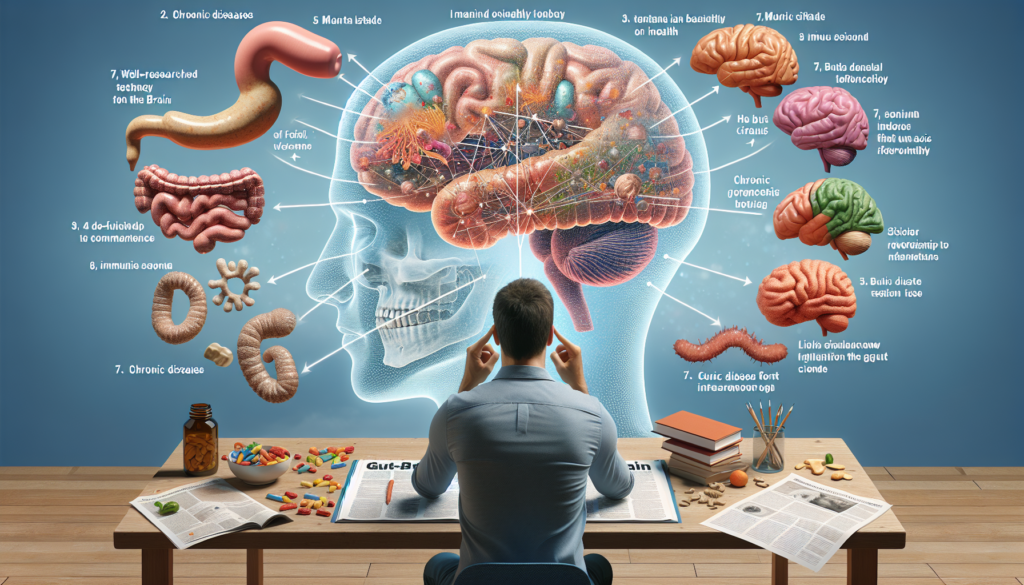
The Gut-Brain Axis: How Your Digestive System Shapes Your Mind, Mood, and Overall Health
Over the past five years, scientists have published more than 3,000 research papers exploring one of the most fascinating frontiers in medicine: the gut-brain axis. This explosion of research has fundamentally changed how we understand the connection between our digestive system and our mental health, revealing that the bacteria in your gut may have as much influence on your mood as the thoughts in your head.
The implications are profound. What happens in your gut doesn't stay in your gut—it affects your mood, your immune system, your risk for chronic disease, and even how clearly you think. In this comprehensive guide, we'll explore exactly what the gut-brain axis is, examine the compelling science behind it, and provide you with actionable strategies to optimize this crucial connection for better health.
What Is the Gut-Brain Axis?
The gut-brain axis is a bidirectional communication network that connects your central nervous system (CNS)—your brain and spinal cord—with your enteric nervous system (ENS), the complex web of neurons that governs your gastrointestinal tract. Think of it as a two-way highway where information constantly flows between your gut and your brain, each influencing the other in ways scientists are only beginning to fully understand.
Key Components of the Gut-Brain Axis
The Gut Microbiome
Your digestive tract hosts trillions of microorganisms—bacteria, fungi, and viruses—collectively known as the gut microbiome. This ecosystem weighs approximately 2-3 pounds and contains more cells than your entire body. The dominant bacterial groups, or phyla, include Firmicutes and Bacteroidetes, though hundreds of species work together in a delicate balance that profoundly affects your health.
The Enteric Nervous System
Often called the "second brain," your ENS contains approximately 100 million neurons lining your gastrointestinal tract—more neurons than exist in your spinal cord. This neural network can operate independently of your brain, controlling digestion, but it also maintains constant communication with your central nervous system.
The Vagus Nerve
The vagus nerve serves as the primary neural highway connecting your gut and brain. This remarkable nerve carries both afferent signals (from gut to brain) and efferent signals (from brain to gut), transmitting information about your digestive state, immune status, and microbial activity directly to your brain's processing centers.
How the Gut and Brain Communicate
Communication along the gut-brain axis occurs through multiple pathways:
Biochemical Signals
Your gut bacteria produce short-chain fatty acids (SCFAs) like butyrate and acetate when they ferment dietary fiber. These molecules serve as signaling compounds that influence brain function, reduce inflammation, and maintain the integrity of your gut barrier. Bile acids also play a role in this biochemical conversation.
Neurotransmitters
Here's a fact that surprises many people: approximately 90% of your body's serotonin—the neurotransmitter most associated with mood regulation—is produced in your gut, not your brain. Your gut microbes also synthesize GABA (which calms neural activity) and dopamine (associated with reward and motivation).
Hormones and Cytokines
The gut-brain axis also communicates through hormonal signals like cortisol (the stress hormone) and cholecystokinin (which regulates digestion and satiety), as well as immune signaling molecules called interleukins that can trigger or reduce inflammation throughout your body.
The Science Behind the Connection
The gut-brain connection isn't just theoretical—it's backed by rigorous scientific research that continues to reveal surprising findings.
Landmark Studies That Changed Our Understanding
Germ-Free Mouse Experiments
Some of the most compelling evidence comes from studies using germ-free mice—animals raised without any gut bacteria. When researchers transplanted gut microbiota from anxious mice into calm germ-free mice, the recipients began exhibiting anxious behaviors. The reverse was also true: microbiota from calm donors could reduce anxiety in previously anxious animals. These experiments demonstrated that gut bacteria can directly influence behavior and temperament.
Human Probiotic Trials
Research in humans has shown similarly promising results. Studies examining the combination of Lactobacillus helveticus and Bifidobacterium longum found that participants taking these probiotics experienced reduced cortisol levels and lower anxiety scores compared to placebo groups. These findings have sparked interest in what researchers now call "psychobiotics"—probiotics that confer mental health benefits.
Brain Imaging Research
Functional MRI studies have shown that prebiotic intake can alter activity in brain regions associated with emotional processing, including the amygdala and frontal cortex. This provides direct evidence that what you feed your gut bacteria can change how your brain responds to emotional stimuli.
The Microbiome's Role in Mental Health
Anxiety
Certain bacterial strains can modulate GABA, the brain's primary inhibitory neurotransmitter. When these GABA-modulating bacteria are present in healthy numbers, they help lower stress responses and reduce anxiety symptoms. Disruptions to these populations may contribute to anxiety disorders.
Depression
Research has identified specific dysbiosis markers—imbalances in gut bacterial populations—that correlate with depression severity. Notably, reduced levels of Faecalibacterium, a beneficial bacterium that produces anti-inflammatory compounds, have been consistently observed in people with major depressive disorder.
Stress Response
Your hypothalamic-pituitary-adrenal (HPA) axis—the system that governs your stress response—is regulated in part by microbial metabolites. A healthy microbiome helps keep stress responses proportionate and prevents the chronic activation that leads to burnout and health problems.
Impact on Cognition and Focus
The gut-brain axis doesn't just affect mood—it influences how well you think:
- BDNF Production: Short-chain fatty acids promote the expression of brain-derived neurotrophic factor (BDNF), a protein essential for learning, memory, and the growth of new neurons.
- Memory Performance: High-fiber diets have been linked to improved memory performance, particularly in older adults, likely through increased SCFA production.
- Neuroinflammation: When the gut barrier becomes compromised, inflammatory compounds can reach the brain and contribute to cognitive decline, brain fog, and potentially neurodegenerative conditions.
Why the Gut-Brain Axis Matters for Your Health
Understanding the gut-brain axis isn't just academically interesting—it has real implications for your daily well-being and long-term health.
Mood and Emotional Well-Being
Because your gut produces the majority of your body's serotonin and influences other neurotransmitters, microbial balance directly affects your emotional state. An unhealthy gut can contribute to mood instability, while a thriving microbiome supports emotional resilience.
Immune Function and Inflammation
Approximately 70% of your immune cells reside in gut-associated lymphoid tissue (GALT). Your gut microbiome trains and regulates these immune cells, determining how effectively you fight infections and whether your immune system remains balanced or tips toward chronic inflammation.
Chronic Disease Connections
Irritable Bowel Syndrome (IBS)
IBS is perhaps the clearest example of gut-brain dysregulation. The condition involves both digestive symptoms and heightened sensitivity to stress, with the gut and brain caught in a feedback loop that perpetuates symptoms.
Autoimmune Conditions
When the gut barrier becomes permeable—a condition sometimes called "leaky gut"—partially digested food particles and bacterial components can enter the bloodstream, potentially triggering immune responses that contribute to autoimmune conditions.
Neurodegenerative Diseases
Emerging research has identified gut microbiome alterations in patients with Parkinson's and Alzheimer's diseases. Some scientists now hypothesize that certain neurodegenerative processes may actually begin in the gut before affecting the brain.
Signs Your Gut-Brain Axis May Be Out of Balance
How do you know if your gut-brain connection needs attention? Watch for these warning signs:
Digestive Symptoms
- Persistent bloating after meals
- Alternating constipation and diarrhea
- Excessive gas
- Abdominal discomfort or cramping
Cognitive Issues
- Brain fog or mental cloudiness
- Difficulty concentrating
- Memory problems
- Slower mental processing
Emotional Disturbances
- Unexplained mood swings
- Increased irritability
- Heightened anxiety without clear cause
- Feelings of depression or low mood
Systemic Signs
- Chronic fatigue that doesn't improve with rest
- Frequent infections or slow recovery from illness
- General sense of being unwell
If you're experiencing several of these symptoms together, your gut-brain axis may benefit from targeted support.
How to Support a Healthy Gut-Brain Connection
The good news is that you have significant control over your gut-brain health through diet, lifestyle, and mindfulness practices.
Diet and Nutrition
Prebiotics: Feeding Your Good Bacteria
Prebiotics are non-digestible fibers that serve as food for beneficial gut bacteria. Excellent sources include:
- Garlic and onions (rich in inulin)
- Asparagus
- Bananas (especially slightly green ones)
- Jerusalem artichokes
- Chicory root
These foods contain fructooligosaccharides and other compounds that selectively nourish health-promoting bacteria.
Probiotics: Introducing Beneficial Strains
Not all probiotics are created equal—benefits are strain-specific:
- Lactobacillus rhamnosus has shown particular promise for stress reduction
- Bifidobacterium breve may support mood regulation
- Lactobacillus helveticus and Bifidobacterium longum together have demonstrated anxiety-reducing effects
Look for products that specify strains (not just species) and contain adequate colony-forming units (CFUs).
Fiber-Rich Foods
Aim for 25-30 grams of fiber daily from diverse sources:
- Legumes (lentils, chickpeas, black beans)
- Whole grains (oats, quinoa, barley)
- Fruits (berries, apples, pears)
- Vegetables (broccoli, Brussels sprouts, carrots)
Dietary diversity is key—different fibers feed different bacterial species, promoting a more resilient microbiome.
Polyphenols
These antioxidant compounds support gut health and have been shown to promote beneficial bacteria:
- Berries (blueberries, blackberries, raspberries)
- Green tea
- Dark chocolate (70% cacao or higher)
- Red grapes
- Extra virgin olive oil
Lifestyle Habits
Stress Management
Chronic stress directly damages gut health by altering motility, increasing permeability, and shifting microbial populations. Combat stress with:
- Daily meditation (even 10 minutes makes a difference)
- Deep-breathing exercises (try box breathing: inhale 4 counts, hold 4, exhale 4, hold 4)
- Regular time in nature
- Social connection and support
Sleep Hygiene
Poor sleep disrupts the microbiome, and an unhealthy microbiome disrupts sleep—another bidirectional relationship. Optimize sleep by:
- Targeting 7-9 hours per night
- Maintaining a consistent sleep schedule, even on weekends
- Implementing a screen curfew at least one hour before bed
- Keeping your bedroom cool, dark, and quiet
Exercise
Physical activity independently improves microbiome diversity and gut-brain communication:
- Aim for 150 minutes per week of moderate aerobic exercise
- Include strength training 2-3 times weekly
- Even walking counts—consistency matters more than intensity
Mindfulness and Relaxation
Mindful Eating
How you eat matters as much as what you eat:
- Chew thoroughly (aim for 20-30 chews per bite)
- Eliminate distractions during meals
- Eat slowly and pay attention to hunger and fullness cues
- Express gratitude for your food
Relaxation Techniques
Activate your parasympathetic nervous system—the "rest and digest" mode—through:
- Yoga (particularly restorative or yin styles)
- Progressive muscle relaxation
- Guided imagery and visualization
- Gentle stretching before bed
Myths and Misconceptions
Let's clear up some common misunderstandings about the gut-brain axis:
Myth: "All Probiotics Have the Same Effect"
Fact: Probiotic benefits are strain- and dose-specific. A probiotic that helps with digestive regularity may do nothing for anxiety, and vice versa. Research the specific strains that address your concerns, and choose products that provide adequate doses.
Myth: "Antibiotics Only Target Pathogens"
Fact: Antibiotics are indiscriminate—they kill beneficial bacteria along with harmful ones. A single course of antibiotics can disrupt your microbiome for months, potentially triggering dysbiosis. When antibiotics are necessary, consider supporting your gut with probiotics (taken at different times than the antibiotic) and prebiotic foods.
Myth: "Gut-Brain Communication Is One-Way"
Fact: Signals travel bidirectionally via neural, endocrine, and immune routes. Your brain affects your gut (think of "butterflies" when nervous), and your gut affects your brain (microbial metabolites influence mood and cognition). It's a true two-way conversation.
Myth: "Gluten Causes Leaky Gut in Everyone"
Fact: Gluten only causes intestinal permeability issues in people with celiac disease or specific gluten sensitivities. For the general population, whole grains containing gluten can actually support gut health through their fiber content.
Actionable Steps for Readers
Ready to optimize your gut-brain connection? Here's how to get started:
Daily Routines
- Morning ritual: Start your day with a glass of water and one teaspoon of prebiotic powder (like inulin or acacia fiber)
- Fermented foods: Include one serving of fermented food at a meal—kimchi, sauerkraut, kefir, yogurt, or kombucha
- Midday reset: Take 10-15 minutes for meditation or a mindful walk, activating your vagus nerve and supporting gut-brain communication
Weekly Goals
- Culinary exploration: Try one new fiber-rich recipe each week to diversify your microbiome
- Self-monitoring: Track your mood and digestion in a simple journal to identify patterns and triggers
When to Seek Professional Help
While lifestyle changes can significantly improve gut-brain health, some situations require professional guidance:
- Digestive distress persisting longer than two weeks
- Severe or worsening anxiety or depression
- Symptoms that interfere with daily functioning
- Unexplained weight changes
Don't hesitate to request referrals to a gastroenterologist for digestive concerns or a mental health specialist for mood-related symptoms. Many practitioners now recognize the gut-brain connection and can provide integrated care.
Conclusion
The gut-brain axis represents one of the most exciting frontiers in health science, revealing that the trillions of microorganisms in your digestive tract play a crucial role in your mental health, immune function, and overall well-being. From producing neurotransmitters to regulating inflammation to influencing your stress response, your gut microbiome is far more than a digestive aid—it's a key player in whole-body health.
The strategies outlined here—eating prebiotic and probiotic-rich foods, managing stress, prioritizing sleep, exercising regularly, and practicing mindfulness—can help you nurture this vital connection. Remember that small, consistent changes yield lasting benefits. You don't need to overhaul your entire life overnight.
Choose one strategy from this guide and implement it this week. Pay attention to how you feel. Then add another. Over time, these incremental improvements compound into significant health gains.
Your gut and brain are in constant conversation. Make sure they have good things to say to each other.
Further Reading and Resources
Books
- The Mind-Gut Connection by Emeran Mayer, MD—a comprehensive exploration of gut-brain science from a leading researcher
- The Psychobiotic Revolution by Scott Anderson, John Cryan, and Ted Dinan—practical guidance on using probiotics for mental health
Podcasts
- The Gut Health Gurus
- The Psychobiotic Revolution
Research Organizations
- American Gut Project
- Gut Microbiota for Health
- Human Microbiome Project