
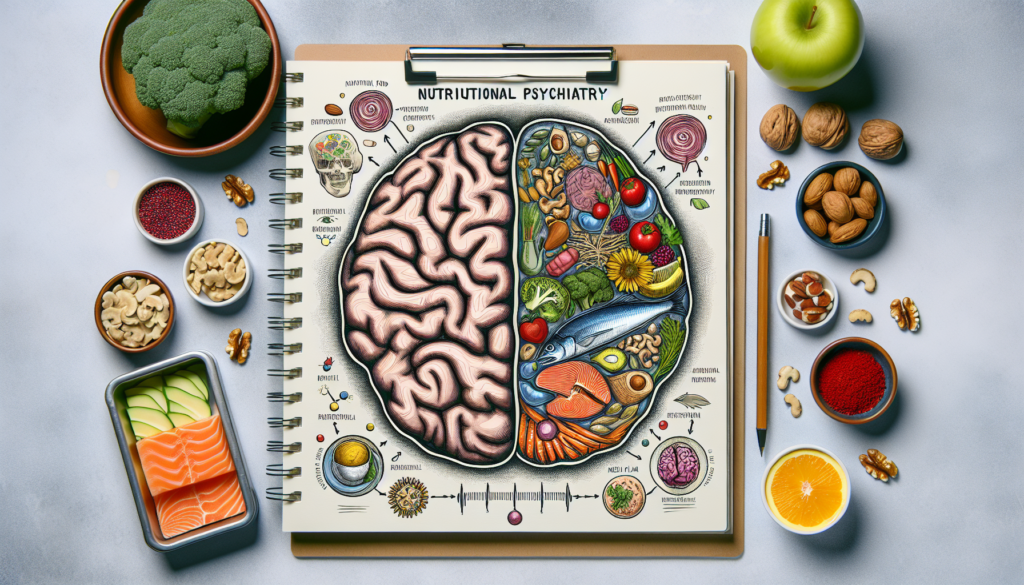
Nutritional Psychiatry: How What You Eat Affects Your Mental Health
Introduction
What if the key to better mental health was sitting on your plate? This isn't wishful thinking—it's the foundation of nutritional psychiatry, a rapidly growing field that examines how diet influences brain function, mood, and mental well-being.
Nutritional psychiatry studies the relationship between what we eat and how we feel, exploring the biological mechanisms that connect our food choices to our emotional states. With depression affecting more than 280 million people worldwide and anxiety disorders impacting countless others, the search for effective, accessible treatments has never been more urgent. Mental health conditions now represent one of the leading causes of disability globally, placing enormous strain on healthcare systems and, more importantly, on individuals and families.
The good news? A growing body of rigorous scientific research suggests that dietary changes can make a meaningful difference in mental health outcomes. In this comprehensive guide, we'll explore the origins of nutritional psychiatry, dive into the fascinating science behind the food-mood connection, examine what the research tells us, and provide practical advice you can start using today.
What Is Nutritional Psychiatry?
Origins and Evolution
The idea that food affects mood isn't new. As far back as the 19th century, physicians observed that cod-liver oil seemed to help patients with depression—though they didn't understand why at the time. These early observations planted seeds that would eventually grow into a formal field of study.
The term "nutritional psychiatry" gained traction in the early 2000s, popularized by practitioners in functional and integrative medicine who recognized that mental health couldn't be separated from physical health. Today, the field has its own professional organization—the International Society for Nutritional Psychiatry Research (ISNPR)—and is increasingly recognized by mainstream medical institutions.
How It Differs from Traditional Psychiatry
Traditional psychiatry has historically focused primarily on pharmacological interventions—medications that alter brain chemistry to relieve symptoms. While these treatments remain valuable and often essential, nutritional psychiatry takes a complementary approach by emphasizing modifiable lifestyle factors, particularly diet.
This doesn't mean choosing between medication and nutrition. Rather, nutritional psychiatry offers an additional tool in the mental health toolkit, one that can work alongside other treatments and addresses the root causes of inflammation, nutrient deficiencies, and gut health imbalances that may contribute to mental health conditions.
Key Research Milestones
The field reached a turning point in 2017 with the publication of the SMILES trial (Supporting the Modification of lifestyle In Lowered Emotional States). Led by Professor Felice Jacka and colleagues, this randomized controlled trial was the first to explicitly test whether dietary improvement could treat major depression.
The results were remarkable: participants who followed a modified Mediterranean diet for 12 weeks showed significantly greater improvement in depression symptoms compared to a social support control group, with an effect size of -1.16 (considered large in clinical research). Even more striking, 32.3% of the dietary intervention group achieved remission—meaning their depression scores dropped below clinical thresholds—compared to just 8% in the control group.
A 2020 meta-analysis examining 10 randomized controlled trials confirmed these findings, demonstrating that dietary interventions consistently reduced depressive symptoms across multiple studies.
The Science: Nutrition, Neurotransmitters, and the Gut-Brain Axis
Understanding why food affects mood requires a journey into the fascinating biology of the brain and its connections to the rest of the body.
Neurotransmitter Synthesis
Your brain communicates through chemical messengers called neurotransmitters, and many of these are built directly from nutrients in your diet.
Serotonin, often called the "feel-good" neurotransmitter, is synthesized from tryptophan, an amino acid found in protein-rich foods like turkey, eggs, and cheese. But tryptophan alone isn't enough—your body also needs vitamin B6, folate, and vitamin B12 to complete the conversion process. Without adequate levels of these nutrients, serotonin production can suffer.
Dopamine, which plays crucial roles in motivation, pleasure, and reward, is made from tyrosine, another amino acid. This conversion requires iron and copper as cofactors. Low iron levels—common in many populations—can impair dopamine synthesis and contribute to symptoms like fatigue and low motivation.
GABA (gamma-aminobutyric acid), the brain's primary calming neurotransmitter, is produced from glutamate with the help of magnesium. Given that an estimated 50% of Americans don't get enough magnesium from their diets, this pathway may be compromised in many people.
Essential Nutrients for Brain Health
Certain nutrients have emerged as particularly important for mental health:
Omega-3 fatty acids, especially EPA and DHA found in fatty fish, are critical for brain structure and function. These fats make up a significant portion of brain cell membranes and support synaptic plasticity—the brain's ability to form new connections. They also have powerful anti-inflammatory effects, which matters because chronic inflammation is increasingly linked to depression.
Research has shown that omega-3 supplementation can improve depression symptoms, particularly formulations higher in EPA. A meta-analysis found that omega-3s were effective as an adjunctive treatment for depression, with benefits appearing within weeks of starting supplementation.
B vitamins work together to support methylation—a biochemical process essential for neurotransmitter production and DNA repair. They also help regulate homocysteine, an amino acid that, when elevated, is associated with increased depression risk.
Minerals like zinc and magnesium modulate NMDA receptors in the brain, which are involved in learning, memory, and mood regulation. Zinc deficiency, in particular, has been linked to depression, and supplementation may enhance the effectiveness of antidepressant medications.
The Gut-Brain Axis and Microbiome
Perhaps the most exciting frontier in nutritional psychiatry is the gut-brain axis—the bidirectional communication highway between your digestive system and your brain.
Your gut houses trillions of bacteria collectively known as the microbiome. These microorganisms do far more than help digest food; they produce neurotransmitters, regulate inflammation, and communicate directly with the brain through the vagus nerve.
When gut bacteria ferment dietary fiber, they produce short-chain fatty acids like butyrate, which have anti-inflammatory effects and support the integrity of the gut lining. A "leaky gut" can allow inflammatory compounds to enter the bloodstream and potentially affect brain function.
Research in animal models has shown that specific probiotic strains, such as Lactobacillus rhamnosus, can reduce anxiety-like behaviors. Human trials have followed, with studies showing that multi-strain probiotics can improve mood scores in healthy adults and those with depression.
The microbiota-gut-brain axis is now recognized as a critical regulator of brain health, influencing everything from stress responses to neurodevelopment.
Diet and Mood: What the Research Says
Major Epidemiological Studies
Large-scale population studies have consistently found associations between diet quality and mental health.
The PREDIMED study, one of the largest dietary intervention trials ever conducted, found that participants following a Mediterranean diet had approximately 30% lower risk of developing depression compared to those on a low-fat control diet. This protective effect was particularly strong in participants with type 2 diabetes.
The SUN (Seguimiento Universidad de Navarra) cohort study, following thousands of Spanish university graduates over many years, found that anti-inflammatory dietary patterns were consistently linked to reduced depressive symptoms. Those with the highest adherence to Mediterranean-style eating had significantly lower rates of depression.
Dietary Patterns That Support Mental Health
The Mediterranean Diet remains the most studied dietary pattern for mental health. Characterized by high consumption of fruits, vegetables, whole grains, legumes, nuts, olive oil, and fish, with moderate amounts of poultry and dairy and limited red meat, this eating pattern provides a rich array of brain-supporting nutrients.
Anti-inflammatory diets emphasize foods high in phytonutrients—plant compounds with antioxidant and anti-inflammatory properties. These diets limit red meat, processed foods, and added sugars while prioritizing colorful vegetables, berries, fatty fish, and healthy fats.
The DASH diet (Dietary Approaches to Stop Hypertension), originally designed to lower blood pressure, has also shown mental health benefits. Its emphasis on fruits, vegetables, whole grains, and lean proteins overlaps significantly with other brain-healthy eating patterns.
Specific Foods and Nutrients
Research has highlighted several foods with particular promise for mental health:
- Berries and dark chocolate are rich in polyphenols, plant compounds that cross the blood-brain barrier and may protect neurons from oxidative stress
- Leafy greens like spinach and kale provide folate and magnesium, both essential for neurotransmitter production
- Fermented foods such as yogurt, kefir, kimchi, and sauerkraut deliver beneficial probiotics that support gut health
Foods to Eat (and Avoid) for Better Mental Health
Brain-Boosting Foods to Include
Building a mood-supportive diet doesn't require exotic ingredients or complicated recipes. Focus on incorporating these foods regularly:
Fatty fish like salmon, sardines, mackerel, and anchovies are the best dietary sources of EPA and DHA. Aim for two servings per week. If you don't eat fish, consider an algae-based omega-3 supplement.
Leafy greens should appear on your plate daily. Spinach, kale, Swiss chard, and collard greens provide folate, magnesium, and fiber. Start with a handful in your morning smoothie or a side salad at lunch.
Nuts and seeds offer healthy fats, protein, and minerals. Walnuts are particularly notable for their omega-3 content, while pumpkin seeds are rich in zinc and magnesium. A small handful (about 1 ounce) makes an excellent snack.
Fermented foods support gut health and the microbiome. Include yogurt with live cultures, kefir, kimchi, sauerkraut, or miso regularly. Even a few tablespoons of fermented vegetables with meals can make a difference.
Whole grains like oats, quinoa, brown rice, and whole wheat provide steady energy and fiber that feeds beneficial gut bacteria. They also contain B vitamins important for brain function.
Legumes including beans, lentils, and chickpeas are affordable sources of protein, fiber, and minerals. They're also excellent for gut health and blood sugar stability.
Foods to Limit or Avoid
Just as some foods support mental health, others may undermine it:
Ultra-processed foods and fast food are typically high in additives, unhealthy fats, refined carbohydrates, and sodium while being low in nutrients. Studies consistently link high consumption of these foods to increased depression and anxiety risk.
Sugar-sweetened beverages and refined grains cause rapid blood sugar spikes and crashes that can affect mood and energy. They also provide empty calories without beneficial nutrients.
Excessive caffeine can worsen anxiety symptoms and disrupt sleep, which is crucial for mental health. If you're sensitive, consider limiting coffee to one or two cups before noon.
Alcohol, while sometimes used to cope with stress, is actually a depressant that can worsen mood over time. It also disrupts sleep quality and can interfere with the effectiveness of psychiatric medications.
Sample Meal Ideas
Here's what a day of mood-supportive eating might look like:
Breakfast: Greek yogurt parfait layered with mixed berries, a sprinkle of walnuts, chia seeds, and a drizzle of honey. The yogurt provides protein and probiotics, berries offer antioxidants, and nuts and seeds add omega-3s and minerals.
Lunch: Quinoa salad with baby spinach, chickpeas, roasted vegetables (bell peppers, zucchini, red onion), crumbled feta, and a lemon-olive oil dressing. This meal delivers complete protein, fiber, folate, and healthy fats.
Dinner: Grilled salmon with herbs, steamed broccoli, and sweet potato mash. The salmon provides omega-3s, broccoli offers fiber and vitamins, and sweet potato adds complex carbohydrates and beta-carotene.
Snacks: Apple slices with almond butter, a small handful of mixed nuts, or vegetable sticks with hummus.
Practical Tips: How to Eat for a Healthier Mind
Simple Swaps and Habits
You don't need to overhaul your entire diet overnight. Small, sustainable changes add up:
- Replace white bread with whole-grain alternatives. Look for "100% whole wheat" or "whole grain" as the first ingredient.
- Add fatty fish to your weekly rotation. If fresh fish feels intimidating, canned salmon or sardines are affordable, convenient, and nutritionally excellent.
- Swap sugary snacks for fruit with nuts or yogurt. You'll satisfy your sweet tooth while adding nutrients.
- Cook with olive oil instead of butter or vegetable oils when possible.
- Add vegetables to meals where you wouldn't normally include them—spinach in smoothies, mushrooms in pasta sauce, or cauliflower in mashed potatoes.
Building a Mood-Supportive Meal Plan
A balanced approach to eating for mental health includes:
- Protein at every meal (20-30% of calories): Eggs, fish, poultry, legumes, Greek yogurt, or tofu
- Healthy fats (about 30% of calories): Olive oil, avocados, nuts, seeds, and fatty fish
- Complex carbohydrates (40-50% of calories): Vegetables, fruits, whole grains, and legumes
When planning your weekly shopping, focus on:
- Fresh or frozen vegetables (aim for variety and color)
- Fruits, especially berries
- Fatty fish (fresh, frozen, or canned)
- Whole grains (oats, quinoa, brown rice, whole wheat bread)
- Legumes (canned or dried beans, lentils, chickpeas)
- Nuts and seeds
- Olive oil
- Plain yogurt or kefir
- Eggs
- Lean proteins
Overcoming Common Barriers
Budget concerns: Eating well doesn't have to be expensive. Canned fish (salmon, sardines, mackerel) is affordable and nutritious. Frozen vegetables retain their nutrients and cost less than fresh. Dried beans and lentils are among the cheapest protein sources available. Buy whole grains in bulk when possible.
Time constraints: Batch cooking is your friend. Prepare a large pot of grains, roast a sheet pan of vegetables, or cook a batch of beans on the weekend. These components can be mixed and matched throughout the week. One-pan and sheet-pan recipes minimize cleanup while maximizing nutrition.
Taste preferences: If you're not used to eating vegetables or fish, start slowly. Roasting vegetables with olive oil and seasonings makes them more palatable. Mild fish like salmon or cod are good starting points. Use herbs, spices, lemon, and garlic to add flavor without relying on salt or sugar. Taste preferences can change over time with repeated exposure.
Myths vs. Facts in Nutritional Psychiatry
Myth: "Superfoods" Alone Can Cure Depression
Fact: No single food, no matter how nutritious, can cure depression. Mental health is influenced by genetics, life circumstances, relationships, sleep, exercise, and many other factors. What matters most is your overall dietary pattern—the cumulative effect of what you eat day after day, week after week. A handful of blueberries won't offset a diet of processed foods, but consistently eating a variety of whole foods creates an environment that supports mental health.
Myth: Organic Foods Are Always Better for Mental Health
Fact: While reducing pesticide exposure is a reasonable goal, there's limited evidence directly linking pesticide residues in conventionally grown produce to mood disorders. The most important thing is to eat plenty of fruits and vegetables, whether organic or conventional. If budget is a concern, prioritize organic for the "Dirty Dozen" (produce with highest pesticide residues) and buy conventional for the "Clean Fifteen."
Myth: Supplements Can Replace Whole Foods
Fact: Whole foods provide complex nutrient matrices that supplements cannot replicate. When you eat a piece of salmon, you're getting omega-3s along with protein, vitamin D, selenium, and other nutrients that work together synergistically. Supplements have their place—particularly for documented deficiencies or when dietary intake is inadequate—but they should complement, not replace, a healthy diet.
Frequently Asked Questions
Can diet replace medication for mental health conditions?
Diet should be viewed as an adjunctive therapy—a powerful complement to other treatments, not a replacement. If you're currently taking psychiatric medications, never discontinue them without consulting your healthcare provider. The SMILES trial and other research show that dietary improvements can work alongside existing treatments to enhance outcomes. For some people with mild symptoms, lifestyle changes including diet may be sufficient, but this determination should always be made with professional guidance.
How quickly can dietary changes impact mood?
Research suggests that measurable improvements can occur within 2-4 weeks of making dietary changes, though individual responses vary. The SMILES trial saw significant differences between groups at the 12-week mark. Some people notice changes in energy and mood within days of improving their diet, while others may need longer. Consistency matters more than perfection—sustainable changes over time yield the best results.
Are supplements necessary?
Supplements are recommended primarily for documented deficiencies or specific situations where dietary intake is inadequate. Common scenarios include:
- Vitamin B12 for vegans and vegetarians, as this vitamin is found almost exclusively in animal products
- Omega-3 fatty acids for people who don't eat fish regularly
- Vitamin D for those with limited sun exposure or documented deficiency
- Iron for those with diagnosed deficiency (don't supplement without testing, as excess iron can be harmful)
Before starting any supplement, consider getting blood work to identify actual deficiencies rather than guessing.
Conclusion
The connection between diet and mental health is no longer speculative—it's supported by rigorous scientific research, from randomized controlled trials to large epidemiological studies. What you eat affects your neurotransmitter production, inflammation levels, gut microbiome, and ultimately, how you feel.
The key takeaways are clear:
-
Overall dietary patterns matter more than individual foods. Focus on eating more vegetables, fruits, whole grains, legumes, nuts, fish, and olive oil while limiting processed foods, sugar, and excessive alcohol.
-
The gut-brain axis is real. Supporting your microbiome through fiber-rich foods and fermented products can positively influence your mental health.
-
Small changes add up. You don't need to transform your diet overnight. Start with one or two sustainable swaps and build from there.
-
Diet works alongside other treatments. Nutritional psychiatry complements—rather than replaces—medication, therapy, and other evidence-based approaches.
Before making major dietary changes, especially if you have existing health conditions or take medications, consult with mental health and nutrition professionals. A registered dietitian can help you develop a personalized plan, while your mental health provider can monitor your progress and adjust treatments as needed.
Your brain is an organ that requires proper nourishment to function optimally. By choosing foods that support brain health, you're investing in your mental well-being—one meal at a time.
Further Reading & Resources
- Jacka FN et al., "A randomised controlled trial of dietary improvement for adults with major depression (the 'SMILES' trial)," BMC Medicine 2017 (doi:10.1186/s12916-017-0791-y)
- Sánchez-Villegas A et al., "Mediterranean dietary pattern and depression: the PREDIMED randomized trial," BMC Medicine 2013
- International Society for Nutritional Psychiatry Research (ISNPR) – www.isnpr.org
- Mayer EA, The Gut-Immune Connection
- Academy of Nutrition and Dietetics – Evidence-based nutrition guidelines